
Wastewater Systems Built to Last Decades
Septic Tank Installation and Repair in Wurtsboro for aging systems and new construction requirements
Slow drains throughout your home, sewage odors near the tank location, or wet spots above the leach field indicate septic system failure that requires immediate attention before wastewater backs up into living spaces. Sherman Excavation LLC handles complete septic installations, tank replacements, and system repairs for residential properties in Wurtsboro and throughout Sullivan County. The owner-operated approach means the same experienced excavator who evaluates your site also operates equipment during installation, maintaining quality control from initial assessment through final grading and ensuring every component is placed correctly for decades of reliable performance.
Septic installation begins with soil testing and site evaluation to determine tank size, leach field configuration, and depth requirements based on local regulations and your property's percolation rate. Excavation exposes the installation area while protecting existing utilities, the tank is set level on a stable base, and distribution lines are positioned at precise grades that allow gravity flow without creating pressure points that cause backups.
Arrange an on-site consultation to assess your current system condition or review requirements for new construction installations.
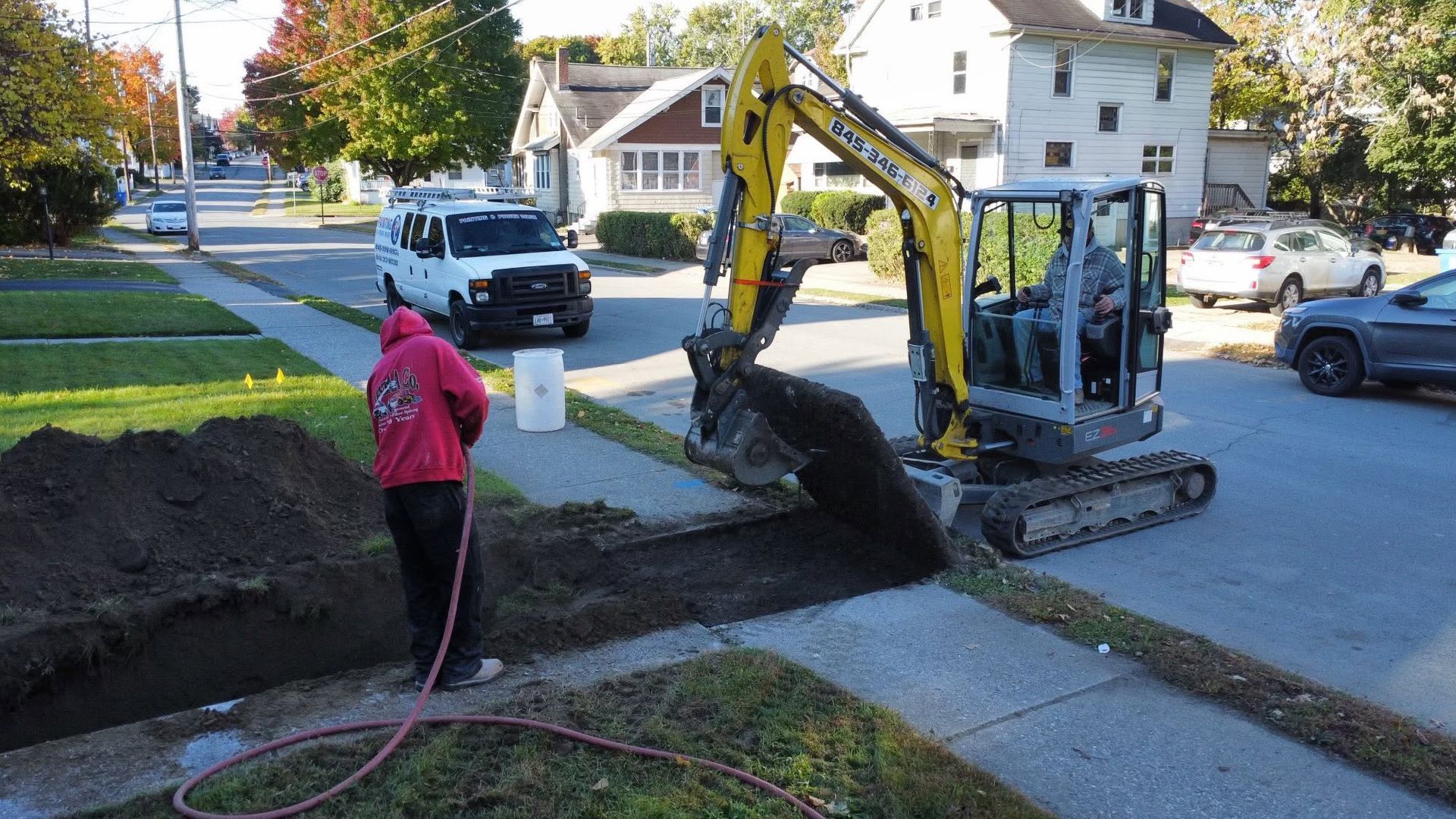
How Septic Systems Are Done Correctly
Proper septic installation requires accurate excavation to specifications that account for tank capacity, soil absorption rates, and setback distances from wells and property lines. Sherman Excavation LLC uses 14 years of excavation experience to prepare sites that support stable tank placement and efficient leach field function. The process includes bedding tanks in clean sand or gravel to prevent settling, connecting inlet and outlet pipes with watertight seals, and constructing distribution boxes that evenly disperse effluent across leach field trenches.
After installation completes, drains empty efficiently without gurgling or slow flow, toilets flush with normal pressure, and the system processes household wastewater without surface evidence or odors. You receive documentation showing tank location, access points for future pumping, and leach field boundaries so you avoid driving heavy equipment over drain lines or planting deep-rooted vegetation that could damage pipes. Regular pumping intervals based on household size keep solids from reaching the leach field and extend system life.
Repair work addresses failing tanks with cracks or structural damage, damaged baffles that allow solids to escape into the leach field, and saturated drain fields that no longer absorb effluent. Replacement becomes necessary when tanks collapse, when expanding households exceed original system capacity, or when older steel tanks corrode beyond repair.
Common Questions About This Service
Homeowners considering septic installation or facing system problems often need clarity about what the work involves and how systems function long-term.
What determines septic tank size for a home?
Tank capacity is calculated based on household size, number of bedrooms, and daily water usage, with minimum sizes often specified by local health departments. Undersized tanks require more frequent pumping and increase the risk of solids reaching the leach field.
How long does septic installation take?
Installation timelines depend on soil conditions, system complexity, and whether ledge or high groundwater requires additional engineering. Most residential installations are completed within several days once permits are obtained and site preparation is finished.
Why do septic systems fail in this region?
Sullivan County's clay soils and seasonal high water tables can saturate leach fields and prevent proper drainage if systems aren't designed with adequate absorption area and installed above groundwater levels. Winter freezing can also damage shallow components if snow cover is insufficient for insulation.
What maintenance does a septic system require?
Tanks should be pumped every three to five years depending on usage, and you should avoid flushing non-biodegradable materials, excessive grease, or chemicals that kill bacteria needed to break down solids. Inspecting baffles and checking for settlement around the tank prevents minor issues from becoming expensive repairs.
When should a failing system be replaced versus repaired?
Replacement is necessary when tanks are structurally compromised, when leach fields are permanently saturated and can't be rehabilitated, or when system capacity no longer matches household needs. Repairs work for damaged baffles, broken pipes, or issues isolated to specific components.
Sherman Excavation LLC offers free estimates, competitive pricing, and veteran discounts for septic installation and repair throughout the area. With reliable communication and quality workmanship, the team delivers dependable septic solutions that protect property value and provide lasting results. Contact them to discuss your septic system needs and receive a detailed project assessment.