
Excavation That Supports Structural Stability
Foundation excavation in Wurtsboro for residential and commercial construction projects
Before any foundation can be poured, the building site requires excavation to exact dimensions and depths that match structural plans and accommodate footings, utility connections, and drainage systems. Sherman Excavation LLC prepares sites for foundation construction throughout Wurtsboro and the Mid-Hudson Valley, removing soil to engineered specifications while maintaining stable trench walls and protecting adjacent property from disturbance. Accurate excavation at this stage determines whether foundations cure level, whether footings rest on undisturbed load-bearing soil, and whether water management systems function correctly for the building's lifespan.
Foundation excavation involves clearing the building footprint, digging to depths specified in construction drawings, creating level base surfaces for footings, and establishing grades that direct water away from the structure. The work requires understanding soil types—whether you're excavating through clay that holds trench walls or sandy material that requires shoring—and recognizing when ledge or groundwater will affect construction methods.
Request an estimate to review your construction plans and site conditions before excavation begins.
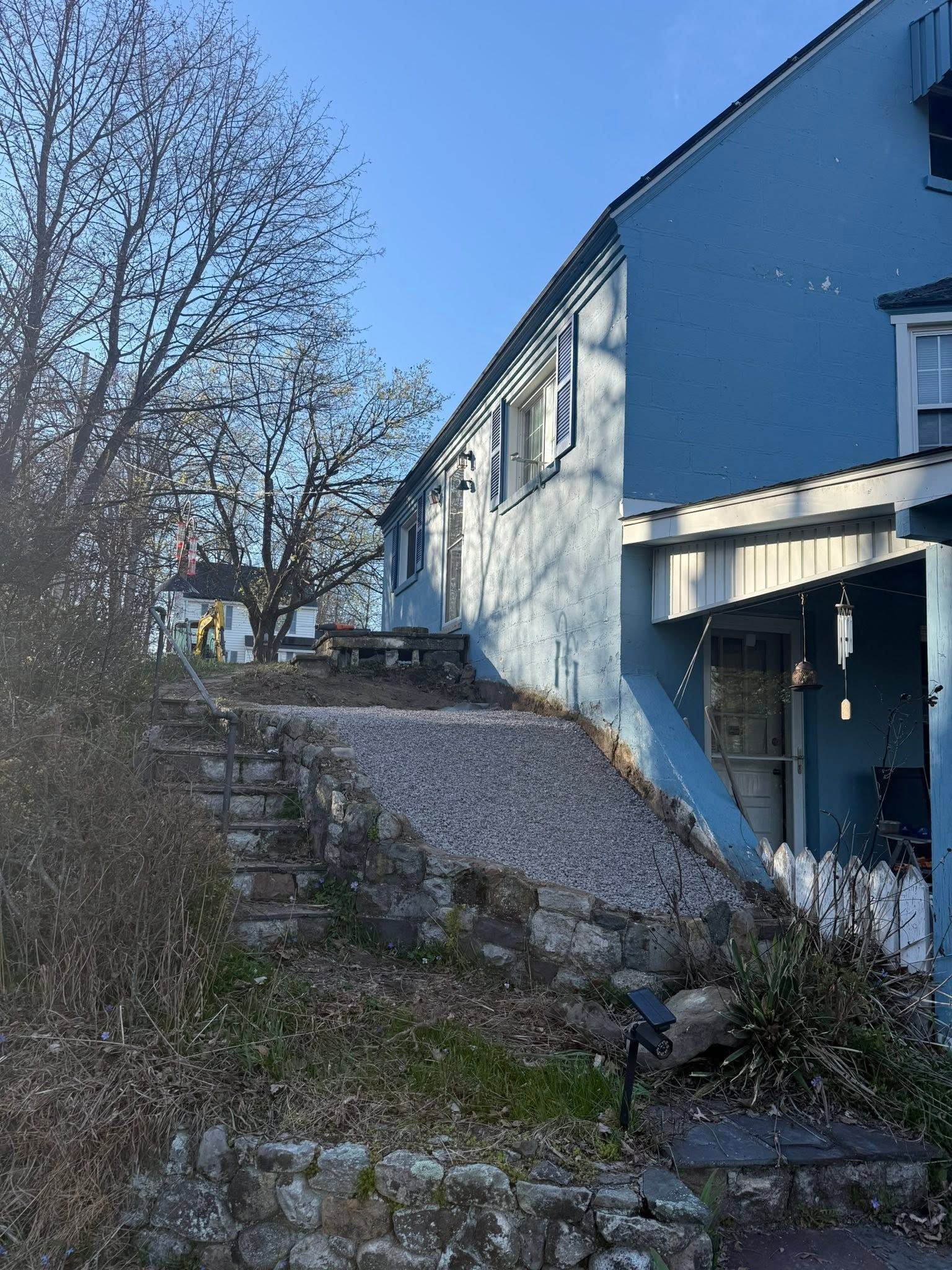
Why Accurate Excavation Matters for Foundations
Site preparation starts with surveying to mark foundation corners and verify property lines, followed by excavation that removes topsoil and digs to bearing depth without disturbing the soil that will support the structure's weight. Sherman Excavation LLC operates equipment with precision that creates clean, square excavations matching foundation dimensions and avoids over-digging that would require additional backfill or compaction. Footings must rest on undisturbed soil or properly compacted base material—loose backfill under footings leads to settlement cracks and structural movement years after construction.
After excavation, contractors have a stable work area with clearly defined elevations for forming and pouring footings, and the foundation cures without settlement issues caused by inadequate base preparation. Proper site grading established during excavation ensures water drains away from foundation walls rather than pooling against them, preventing the moisture problems and hydrostatic pressure that cause basement leaks and foundation damage over time.
Residential foundation excavation typically involves full basements, crawl spaces, or slab-on-grade preparations, while commercial projects may require deeper excavations, larger footprints, and coordination with utility installation schedules. Difficult site conditions like ledge may require specialized equipment or blasting, and high groundwater sometimes necessitates dewatering during construction.
What Property Owners Usually Ask
Construction projects begin with questions about excavation processes, site challenges, and how preparation affects foundation quality and project timelines.
What happens if ledge is encountered during excavation?
Ledge—solid bedrock near the surface—requires hammering with specialized equipment or controlled blasting to reach required foundation depth. The presence of ledge affects project cost and timeline but can provide excellent bearing capacity once excavation is complete.
How is excavated soil managed during foundation work?
Topsoil is typically stockpiled separately for use in final grading and landscaping, while subsoil is either spread on-site if grades allow or removed if excess material would create drainage problems. Managing soil properly prevents the need to import additional material later.
Why does foundation excavation need to match exact dimensions?
Foundations are engineered to specific sizes based on building loads and soil bearing capacity, and excavations that are too wide waste concrete while those too narrow don't provide adequate support. Accurate excavation means formwork fits correctly and construction proceeds without delays or modifications.
What site conditions affect foundation excavation in this region?
Sullivan County properties often encounter clay soils that become slippery when wet, seasonal high water tables that require pumping during construction, and bedrock at varying depths. Winter ground freezing can also delay excavation, making fall or early spring preferable for starting projects.
How long does foundation excavation typically take?
Timelines depend on foundation size, soil conditions, and whether obstacles like ledge or existing structures complicate the work. Most residential excavations are completed within a few days under normal conditions, allowing foundation contractors to begin forming and pouring.
Sherman Excavation LLC brings quality workmanship and attention to detail to every foundation excavation project, supporting residential and commercial construction with site preparation that creates stable building platforms. Schedule a consultation to discuss your construction timeline and receive a detailed estimate based on your specific site conditions and foundation requirements.