
Surfaces That Manage Water and Support Construction
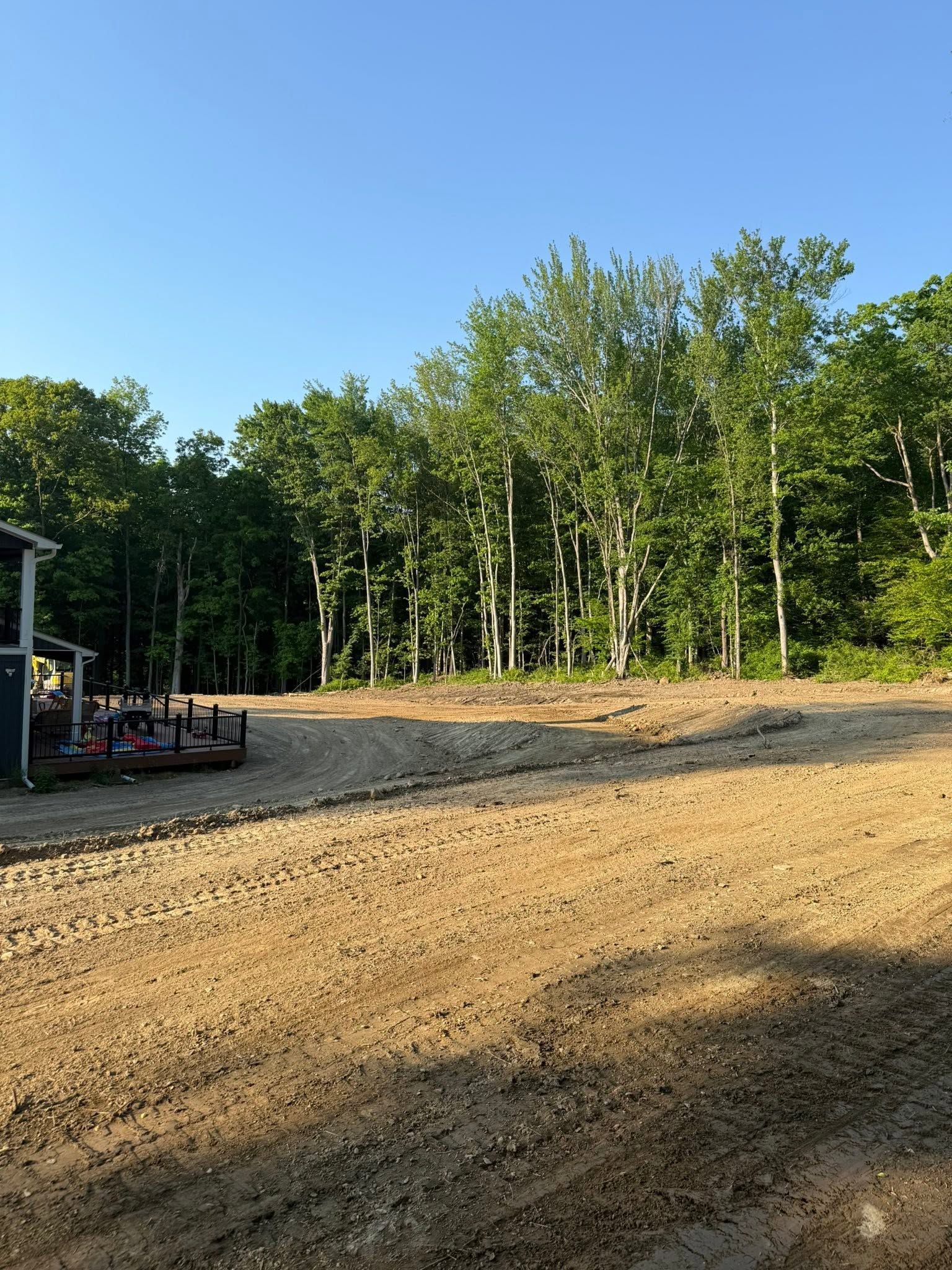
Grading in Wurtsboro for new construction site preparation and drainage improvements
Properly sloped surfaces determine whether rainwater drains away from structures or pools against foundations, whether erosion carves channels across your property, and whether construction sites provide stable platforms for building. Sherman Excavation LLC provides grading services throughout Wurtsboro and surrounding areas for new construction, renovations, and property improvements that require reshaping land to control water flow and create functional outdoor spaces. The work involves more than pushing soil around—it requires reading existing topography, calculating slope percentages that balance drainage with usability, and operating equipment with precision that creates smooth, stable surfaces.
Grading reshapes land by cutting high areas and filling low spots to achieve designed elevations, establishing slopes that direct water toward appropriate drainage points, and compacting soil to densities that prevent future settling. Equipment operation must account for soil type—clay grades differently than sandy loam—and final surfaces need consistent pitch without abrupt transitions that concentrate water flow or create erosion channels.
Schedule a grading consultation to evaluate your property's current drainage patterns and site preparation needs.
What Grading Solutions Prevent Long-Term
Each grading project begins with surveying existing elevations and identifying where water currently flows during rain events, then developing a grading plan that redirects flow away from vulnerable areas while maintaining positive drainage across the entire site. Sherman Excavation LLC uses precise equipment operation to create surfaces with consistent slopes—typically two percent minimum for drainage—and smooth transitions that prevent water from concentrating in specific areas. Compaction work ensures graded surfaces won't settle unevenly after construction or landscaping, which would create low spots that accumulate water and undermine the drainage design.
After grading work finishes, water sheets across surfaces and drains predictably toward designed collection points instead of pooling randomly or flowing toward foundations. Erosion stops expanding because water velocity is controlled through gradual slopes rather than steep drops, and soil stays in place during heavy rain instead of washing into low areas or neighboring properties. Construction sites provide level building platforms with stable access routes for equipment and material delivery.
Grading applications include preparing building sites before foundation work begins, resloping yards to correct drainage problems around existing homes, creating level areas for patios or outbuildings, and restoring properties after utility installations or other excavation disturbs original grades. Some projects combine rough grading for major elevation changes with finish grading that creates smooth surfaces ready for landscaping or paving.
Questions Before Starting Your Project
Property owners planning construction or addressing drainage issues frequently ask about grading methods, timing considerations, and how site work affects their land long-term.
What slope percentage is needed for proper drainage?
Minimum slope is typically two percent—about a quarter inch per foot—to move water without creating standing pools, while steeper slopes of five to ten percent work for areas where faster drainage is needed. Slopes exceeding ten percent may require erosion control measures like vegetation or retention structures.
How does grading reduce erosion on properties?
Grading controls water velocity by creating gentle, consistent slopes instead of steep drops where runoff accelerates and cuts channels. Directing flow toward stable discharge points and avoiding concentrated streams prevents the soil loss that creates gullies and exposes tree roots or foundation footings.
When should grading be done during construction?
Rough grading happens early to establish building pad elevations and site access, while finish grading occurs after construction to restore drainage patterns disrupted during building and create final surface contours. Scheduling grading in dry conditions prevents soil compaction problems and rutting from heavy equipment.
Why is soil compaction important after grading?
Loose fill soil settles over time, creating depressions that trap water and cause pavement cracking or foundation movement if settlement occurs under structures. Compacting soil in lifts as it's placed creates stable surfaces that maintain designed grades and drainage patterns for decades.
What site conditions in Wurtsboro affect grading projects?
Clay soils common in the region become plastic and difficult to grade when saturated, and seasonal frost penetration affects when finish grading can be completed. Rocky soils may require additional equipment to achieve smooth surfaces, and properties with significant elevation change need careful planning to balance cut and fill volumes.
Sherman Excavation LLC delivers dependable grading workmanship and efficient project completion for residential and commercial properties throughout the area. Whether you're preparing a construction site or correcting long-standing drainage problems, the team provides precise grading solutions that improve water management and create stable, functional surfaces. Contact them to discuss your grading needs and arrange a site evaluation.